Blogs

All posts tagged 'The Science Show'

The Science of Music

posted 22.10.12 at 5:44pm

On today's show we will be talking about music and how science can actually enhance the listening experience! We also have arranged for a very special guest - Science Show elf Ben! Ben will be playing his guitar to help demonstrate what we will be talking about.
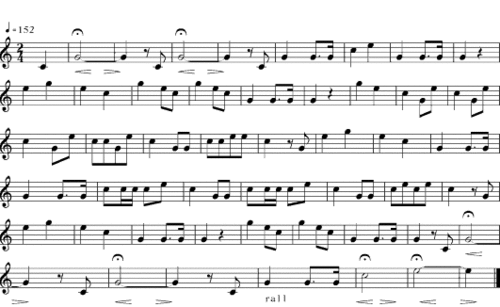
Sheet musicSheet music

If anyone can work out what piece of music that is above, you get the love and admiration of Carl. Not that it's worth much ;)

Part One - A Journey Into Sound

We'll be talking about how sound is produced and how the ear works. Tune in to find out more!

Sound, as you probably know, is a wave! However it needs something, or a medium to travel through. This is why there's no sound in space. Sound travels at 340.29 meters per second in air.

So how does the ear work?
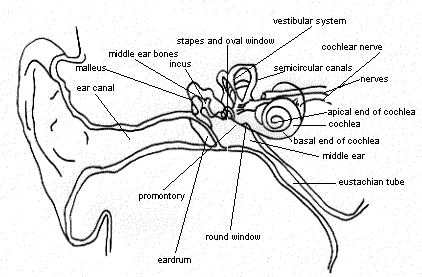
The EarThe Ear

Sounds from the outside world are picked up by the outer ear, the sound wave is directed down the ear canal towards the ear drum. The sound vibrations continue their journey into the middle ear, which contains three tiny bones which bridge from the outer ear to the inner ear. The inner ear is shaped like a snails shell which contains fluid. The vibrations are then converted into electrical signals which are sent to the brain.
Resonance

Low-Cost Astronomy with the Planetary Nebula Spectrograph - Mike Merrifield

posted 15.10.12 at 9:22pm

Stars and Galaxies

We're not just talking about UCAS though, oh no! We're talking stars and galaxies as well. Well we were getting withdrawal symptoms...

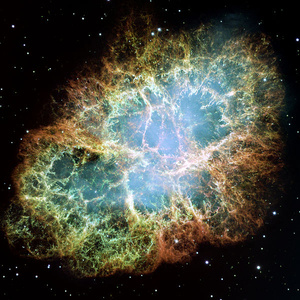
So, what happens when a star dies? It depends on the size of the star, but our own Sun is likely to blow its outer layers off and form a planetary nebula. You say you don't know what one is? You've probably seen a picture of one before, a famous one is the crab nebula shown below.

Crab NebulaCrab Nebula

Mike doesn't study such pretty nebulas though, the ones he looks at are much further away and appear as green blobs. This is because when a star reaches the end of its life it only really emits green light in its spectrum. Our own Sun actually peaks in the green, but it appears more yellow than anything due to the way our eyes work.

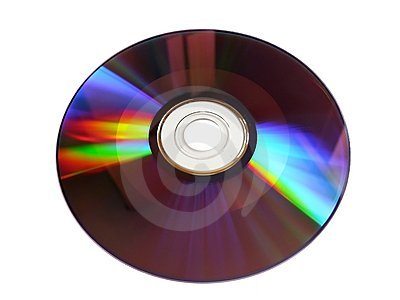
The spectrum of light can be easily seen by yourself with just a CD. You've probably done it by accident before! Just reflect the light onto a handy near by wall and you'll see something like this:CD SpectrumCD Spectrum

Q&A

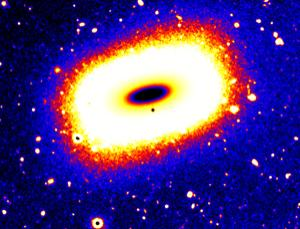
Square GalaxySquare Galaxy

Your UCAS Questions & Cheap Astronomy - Mike Merrifield

We pose your UCAS questions to the admissions tutors for Physics & Astronomy, Chemistry and Biosciences. Joined by Mike Merrifield in the studio, we discuss his low-cost astronomy research. Read the blog with extra UCAS hints and tips at http://urn1350.net/blog/thescienceshow/2012/10/applying-uni-ucas-process....


46:19 minutes (31.81 MB)

Applying to Uni; The UCAS Process - Prof. Mike Merrifield

posted 13.10.12 at 2:35pm

You can listen to the show on our URN Podcast Page now! Check out the astronomy section blog too!

After college or sixth form, the majority of students choose to make the decision to spend the next 3 or 4 years of their life at university. The number of students choosing this path has increased rapidly over the last decade and there are now over 2.5 million students attending University in the UK today - that's 4% of the population!

Universities & Colleges Admissions Service (UCAS) makes applying to University a simple and easy process. You choose the universities you want to apply to, submit an application and cross your fingers for results day. And work hard, of course.

Insect Mimicry & Conservation - Francis Gilbert

Our second guest ever to join us from the Biology department, Dr Francis Gilbert, joins us in a light hearted discussion about insects, their evolutionary tricks and how conservation projects allow the study of them. Check out the blog at http://urn1350.net/blog/thescienceshow/2012/10/insect-mimicry-conservati...


46:12 minutes (37.02 MB)